

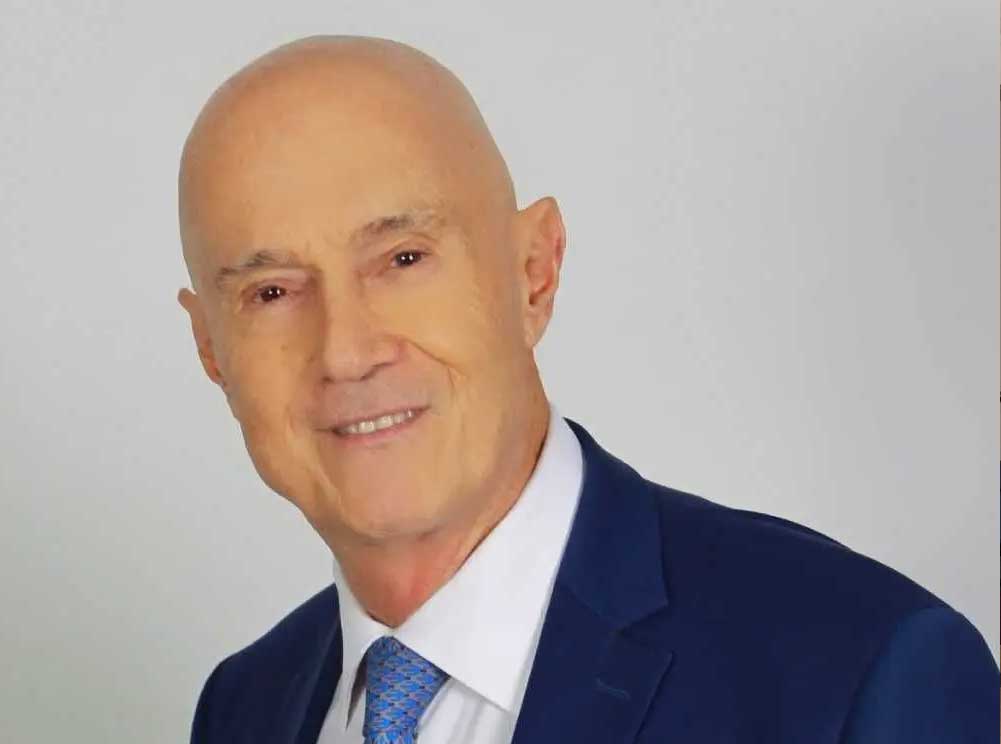
Mr. George Kremlis, member of the Board of the European Public Law Organization and Director of its climate and circular economy Institute, delivers his expert opinion on the outcomes of COP29 as these were discussed during the EPLO «The outcomes of COP29» workshop.The Circular economy and climate Institute of the EPLO hosted on 19 December 2024, a workshop on «The outcomes of COP29» to take stock of the findings of this Conference and of its deliverables. As climate crisis is the most critical problem humanity and the planet is confronted with, the climate COPs have become the most important international gatherings.
The one in Baku was expected to be the COP on climate financing and in that respect – with a one day extension of its works and huge efforts deployed by the Presidency – has achieved to a large extent its objectives by securing financing on an annual basis – 300 billion – for the energy transition of the countries in need and by reactivating the «loss and damage fund».
The «better is the enemy of the good», but what was achieved is a milestone in the challenging road towards climate neutrality where certainly more financing, in terms of trillions, is needed. Another key achievement is on article 6 as regards the carbon credits and a transparent and credible relevant market to be developed with accountability and safeguards against green washing. It will boost the energy transition of the business sector and incentivise investments in RES and carbon capture, as well as on new technologies for circular economy carbon utilisation processes.
The COP has delivered in 52 areas, through declarations and other soft law initiatives and has prepared the ground through a stock taking process for stronger NDCs which will be finalised in the road to Belem, where COP30 will be hosted and where the expectations are to put more emphasis on mitigation and the introduction of culture in climate action through a relevant COP decision.
The workshop at the EPLO premises has hosted prominent speakers from DG Clima, UNFCCC, International Organizations and Stakeholders. In its three panels has covered the political and policy framework and its legal implications, the challenges and role for the business sector which in addition to its energy transition has to contribute financially, and, last but not least, the importance of promoting the RES in the islands and the cultural dimension of climate action where the social circular economy will be playing a key role, in addition to the overarching role of circular economy, the new economic model to secure preservation of the planets resources and carbon neutrality by 2050.